See What the AI Actually Produces
No marketing renders, no stock images. Every pair below is two real parent photos and the three results our AI returned for them.
Generate My Baby — $2.99Two Photos In, Three Babies Out
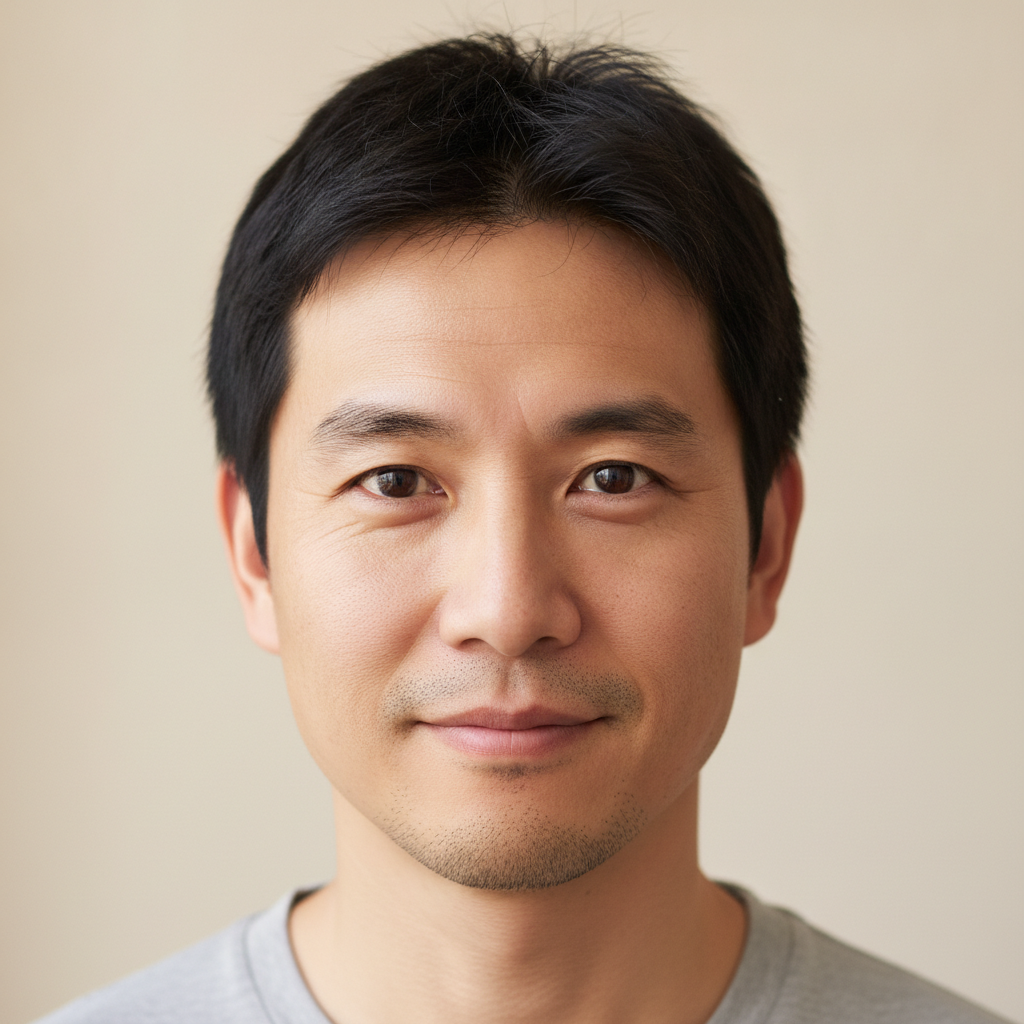 Dad
Dad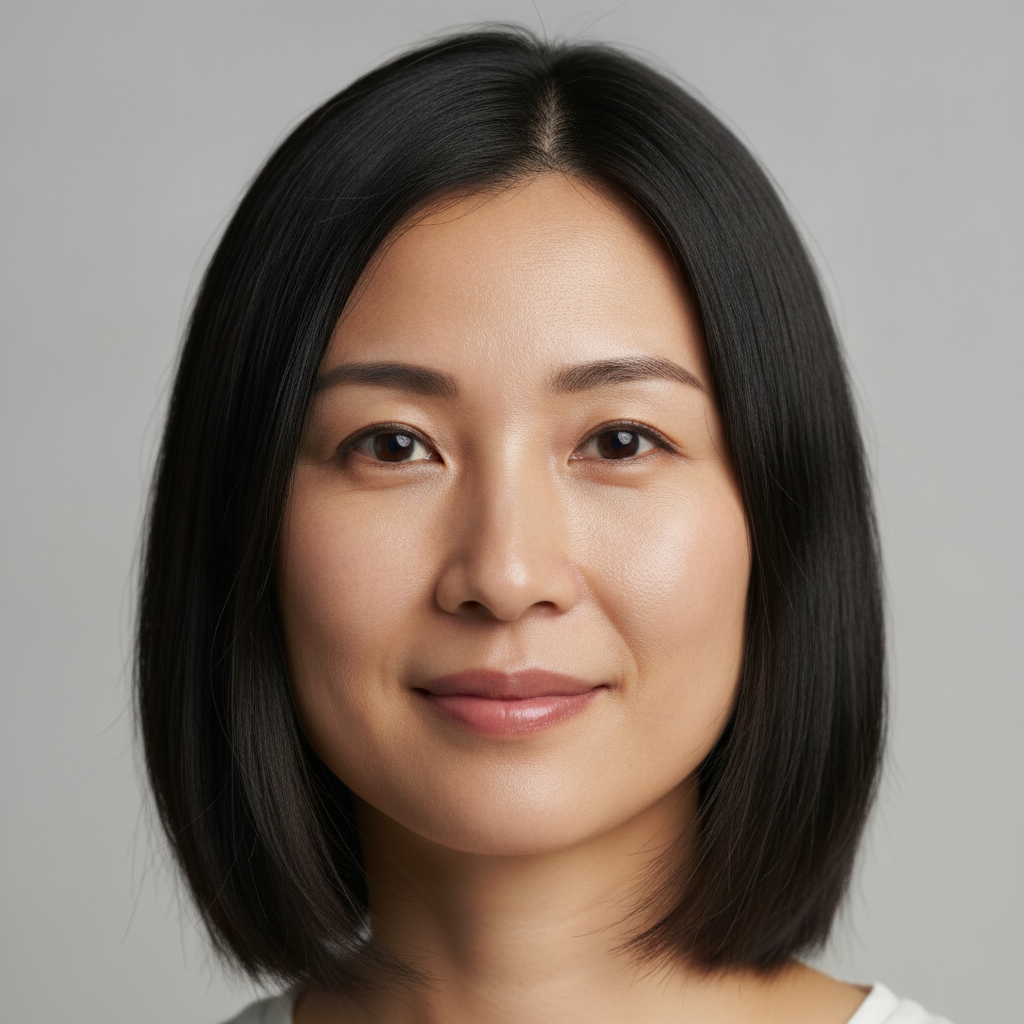 Mom
Mom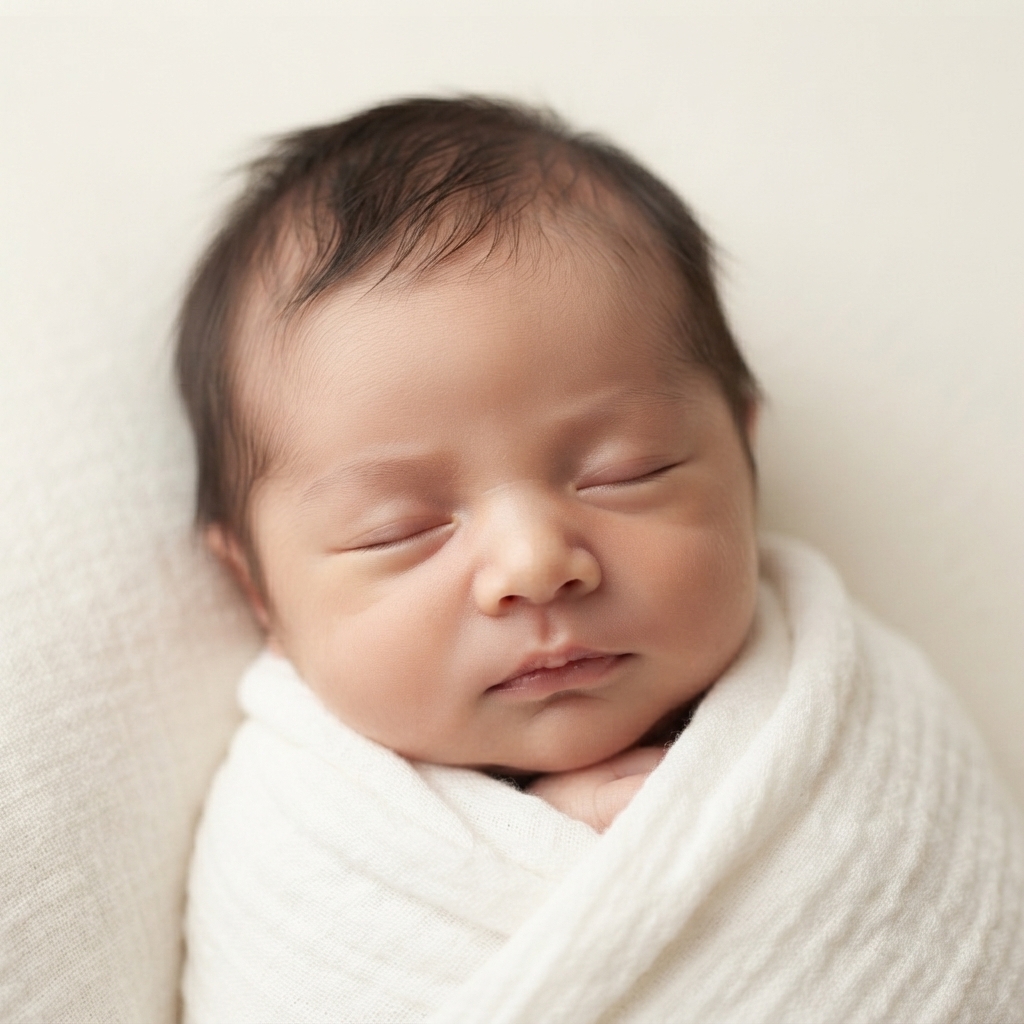 Newborn
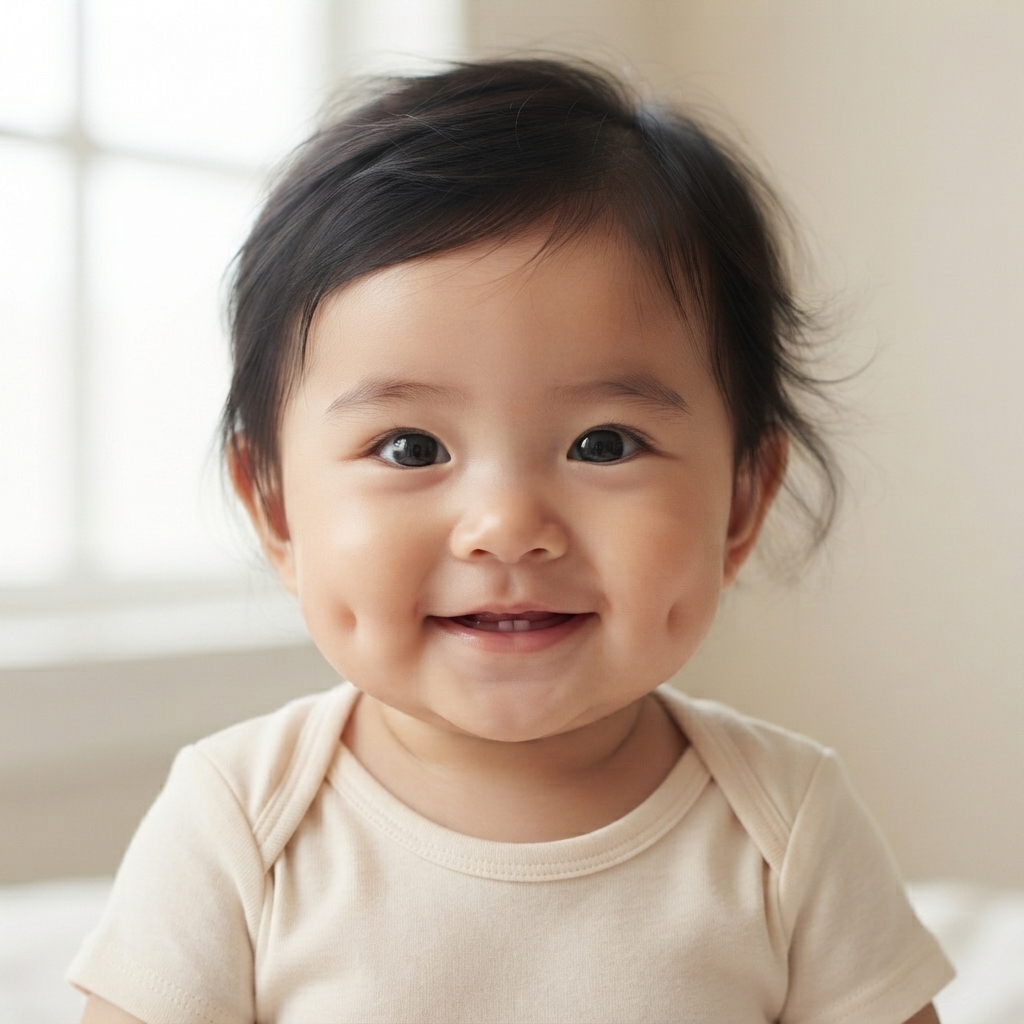 6 months
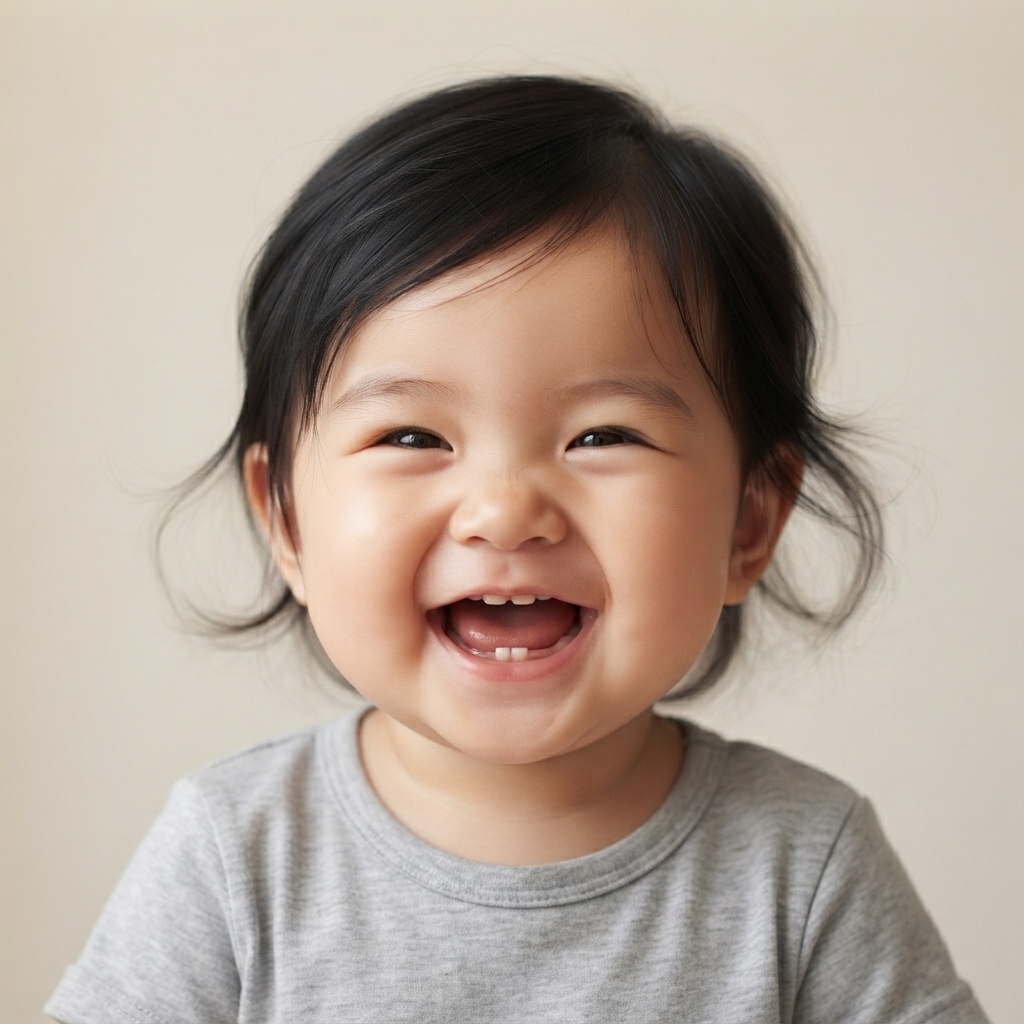 1 year
 Dad
Dad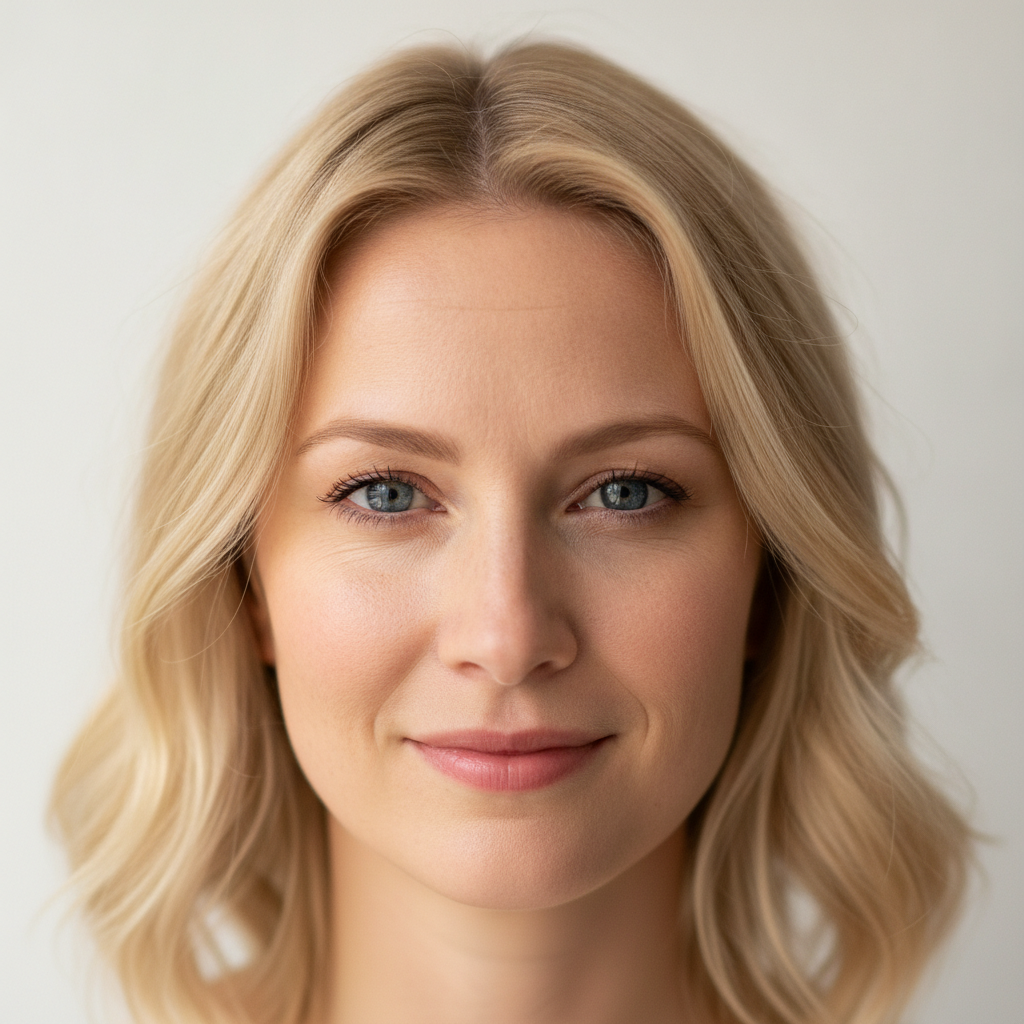 Mom
Mom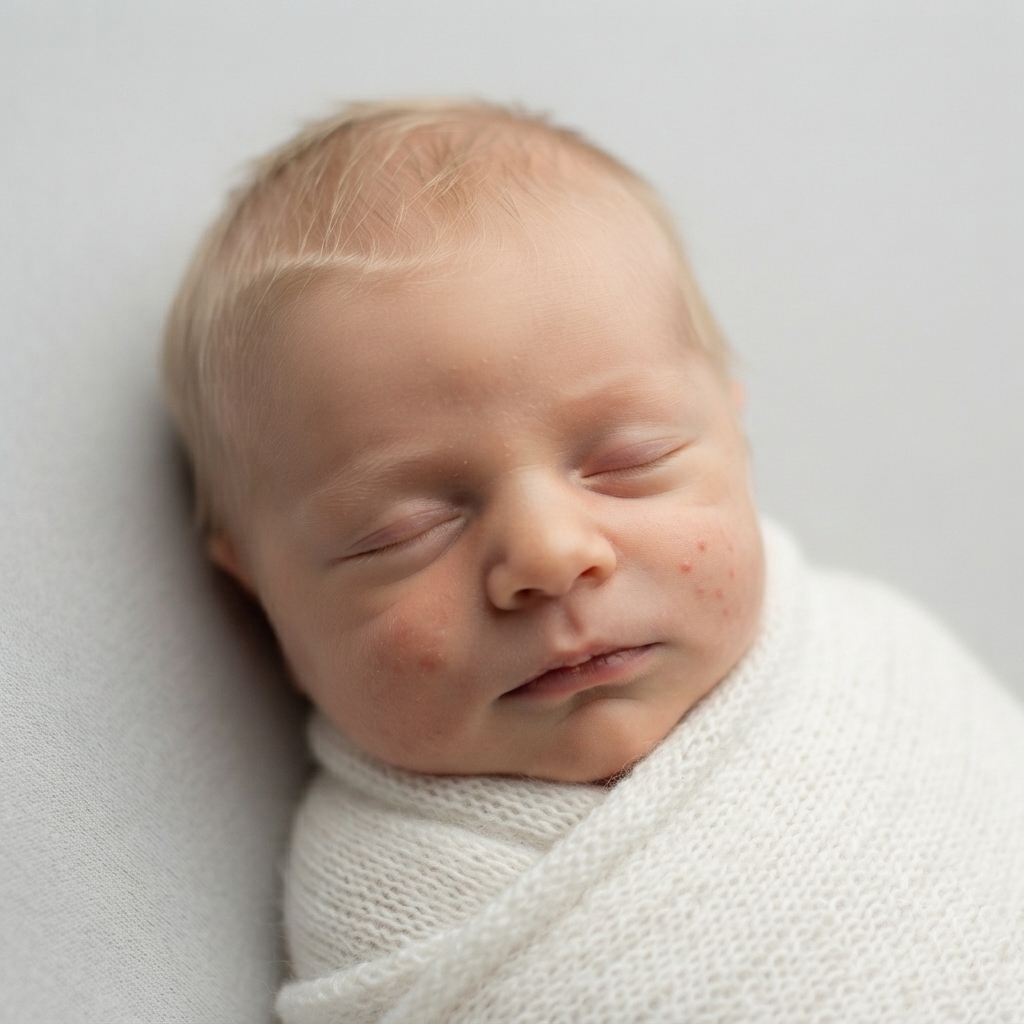 Newborn
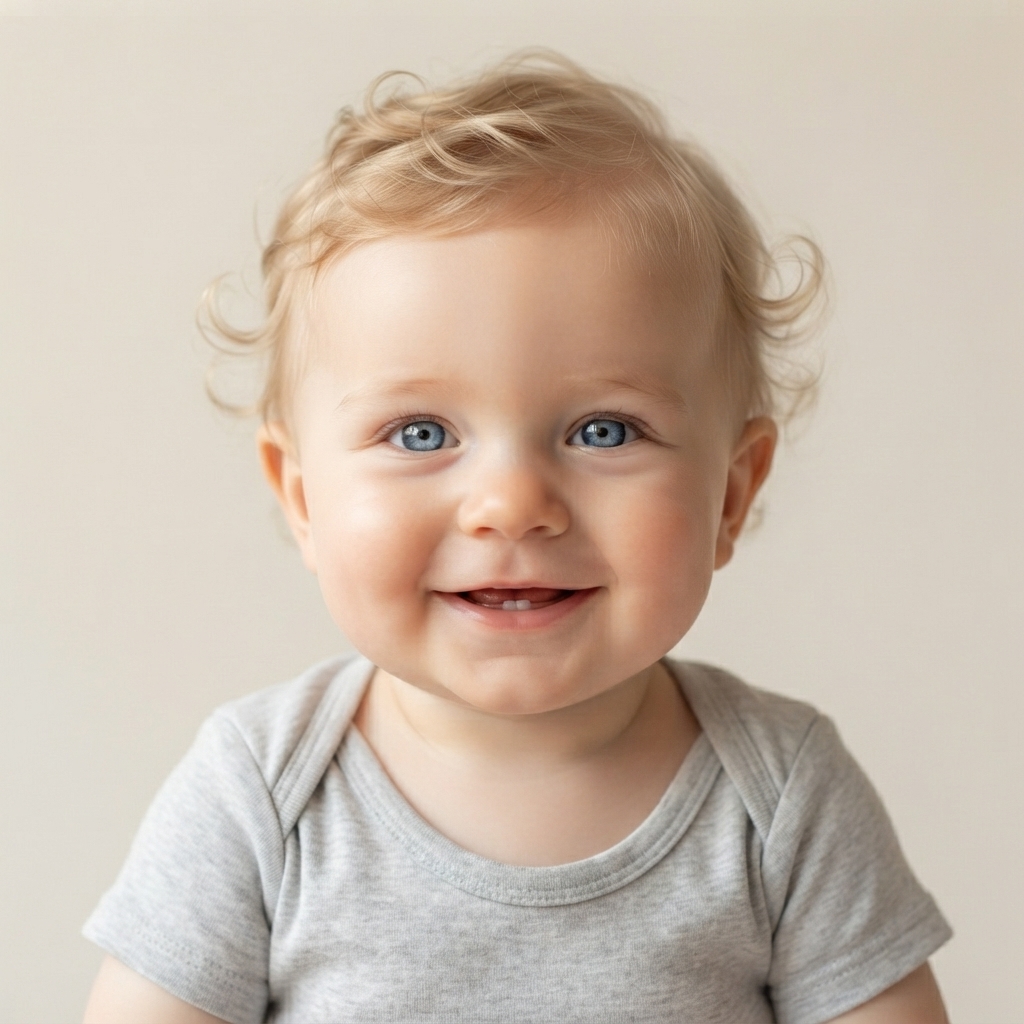 6 months
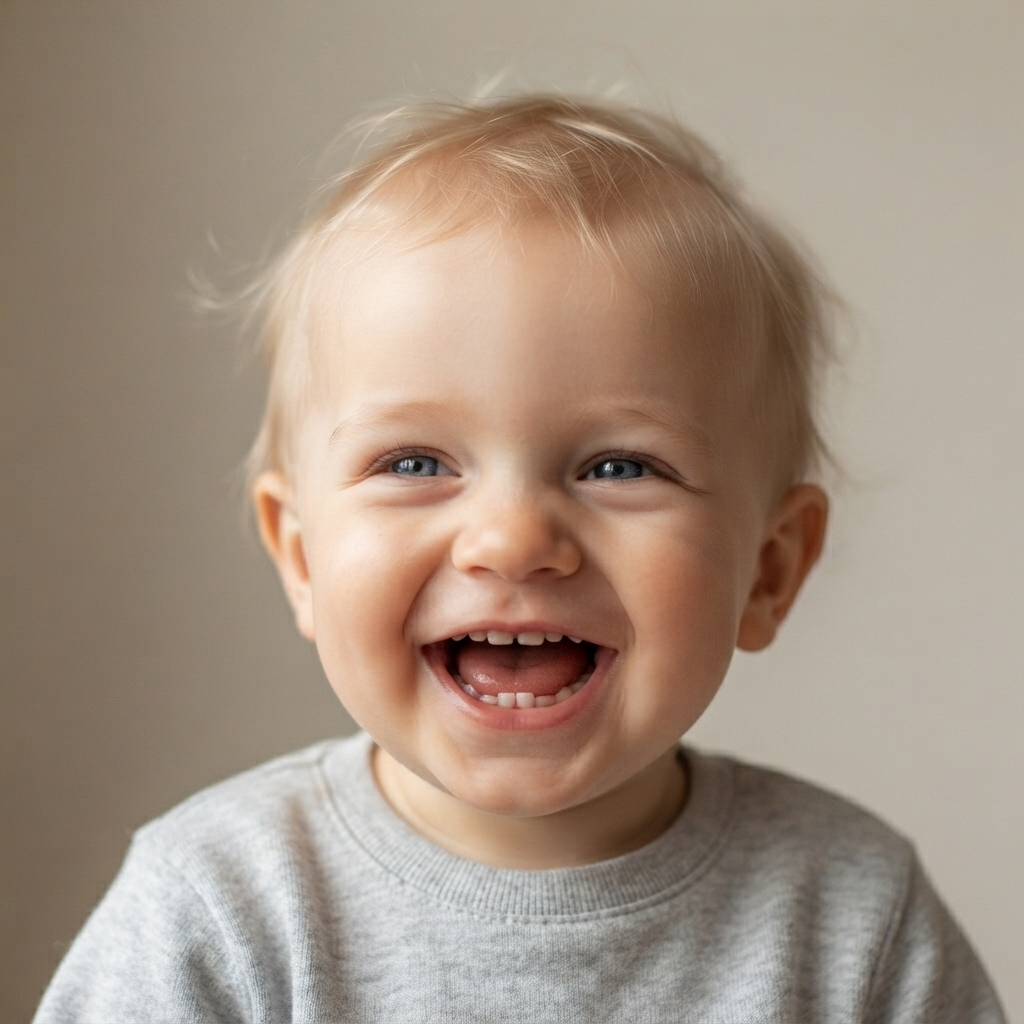 1 year
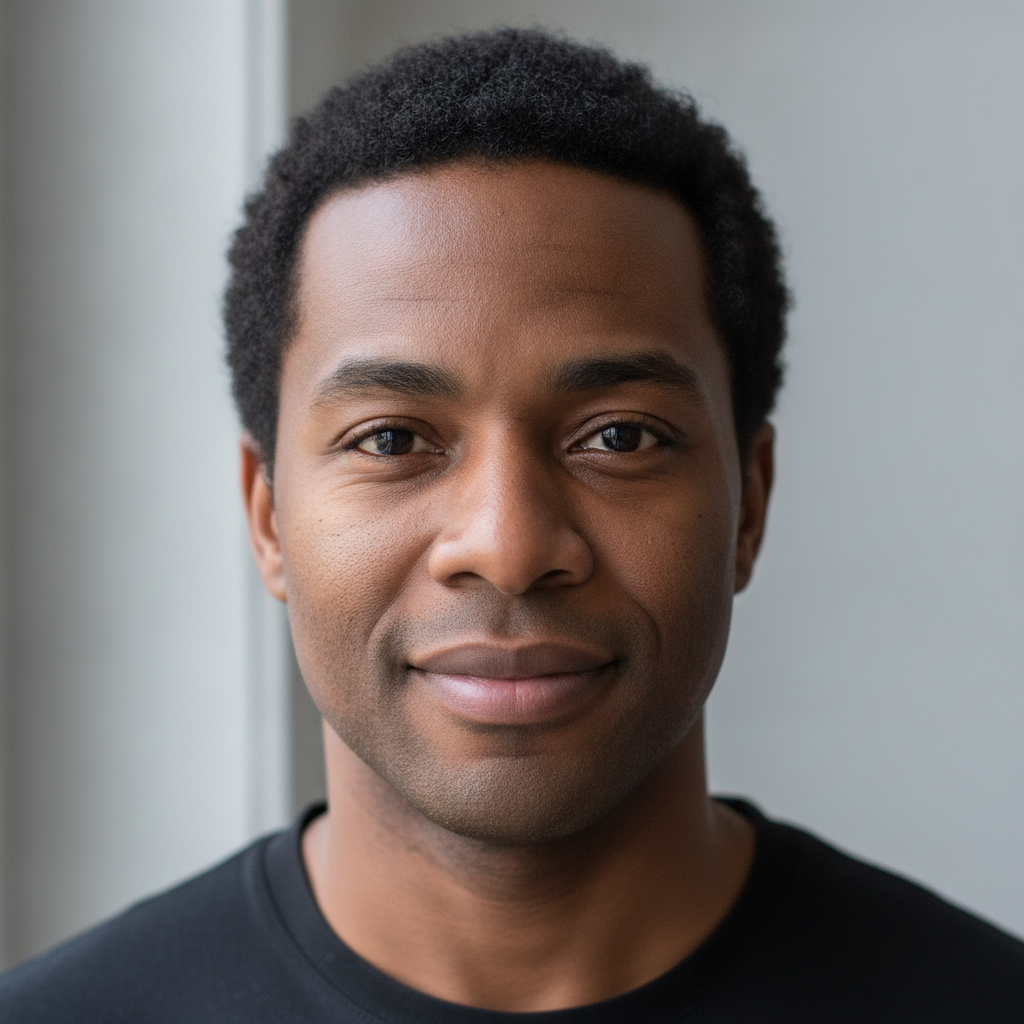 Dad
Dad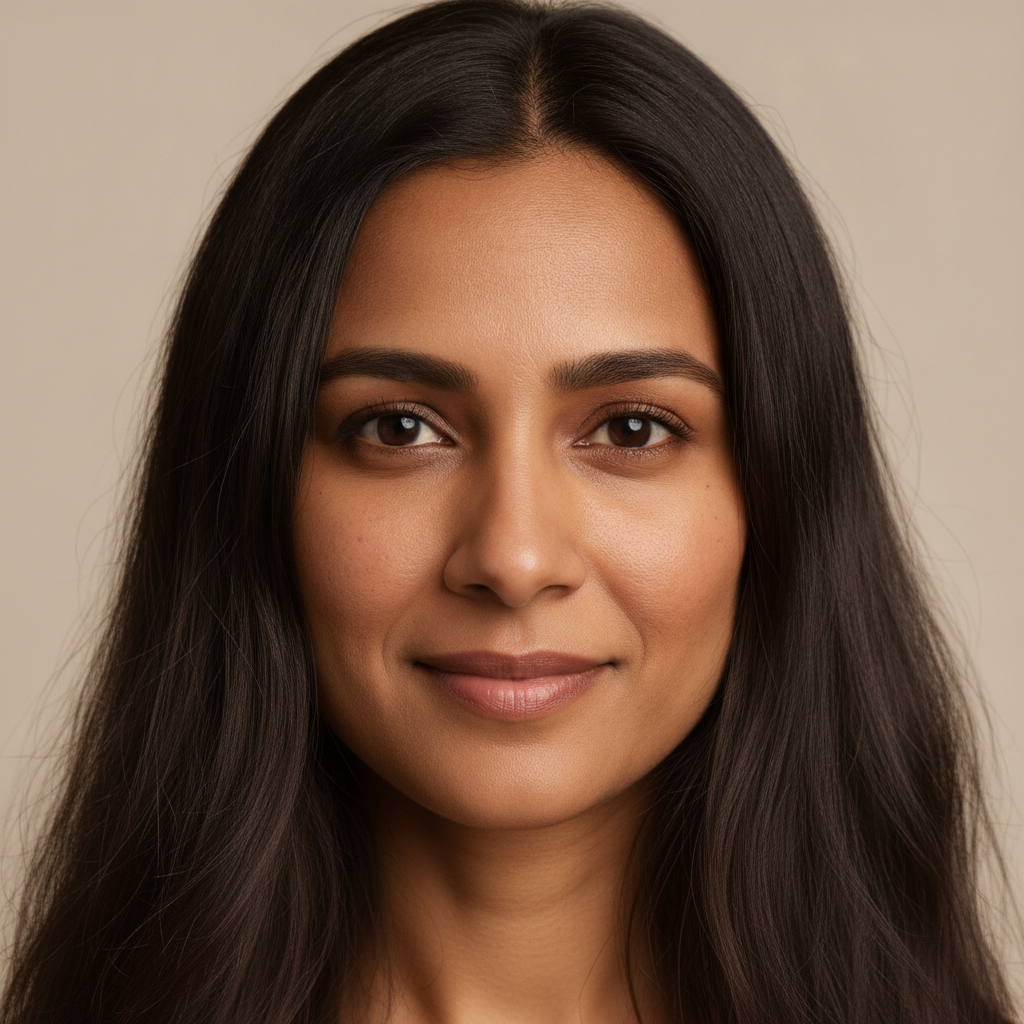 Mom
Mom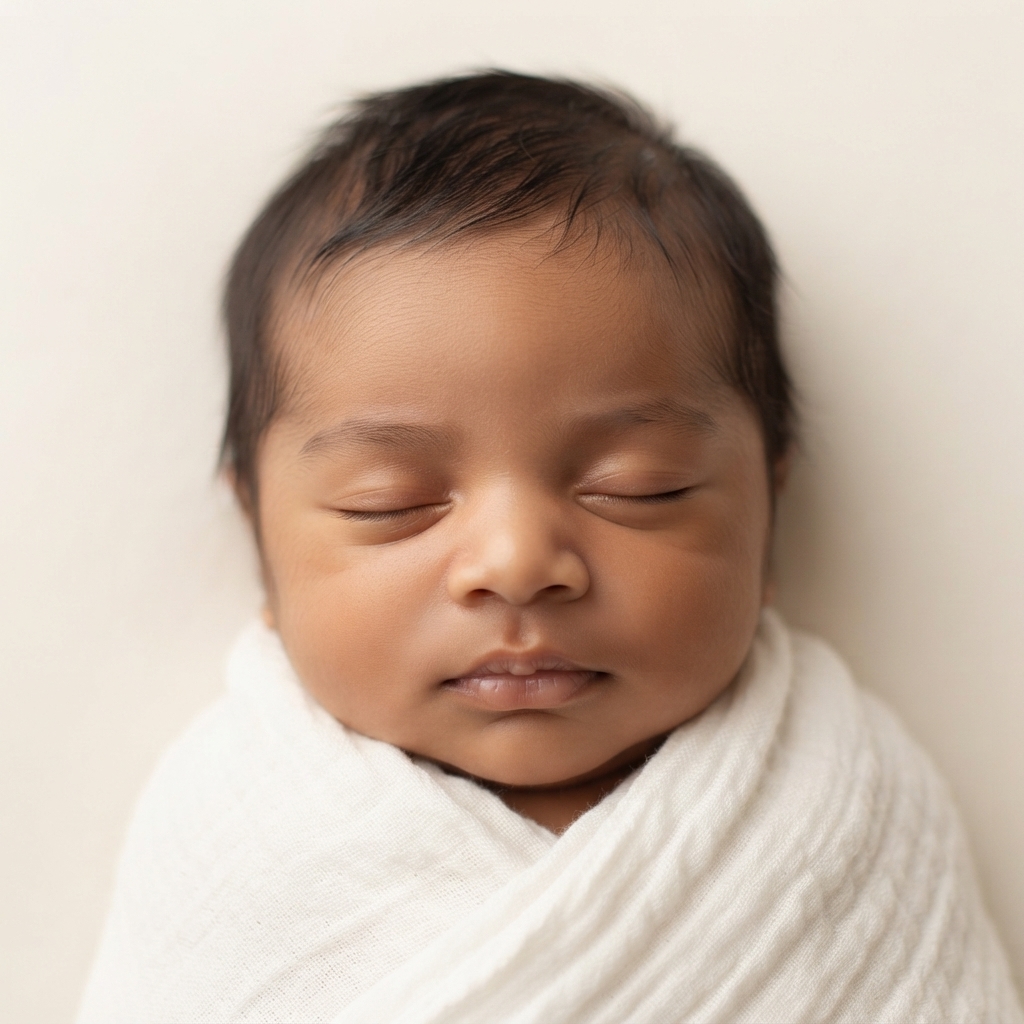 Newborn
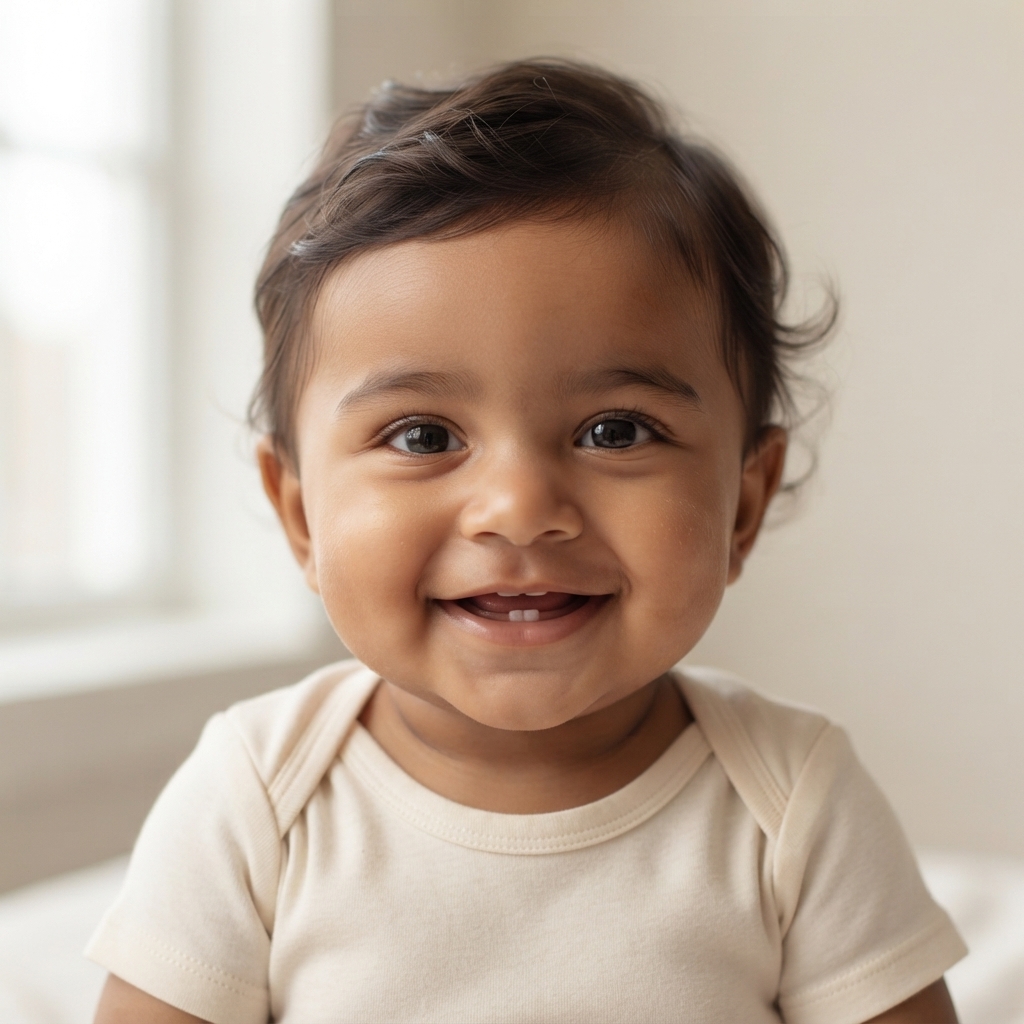 6 months
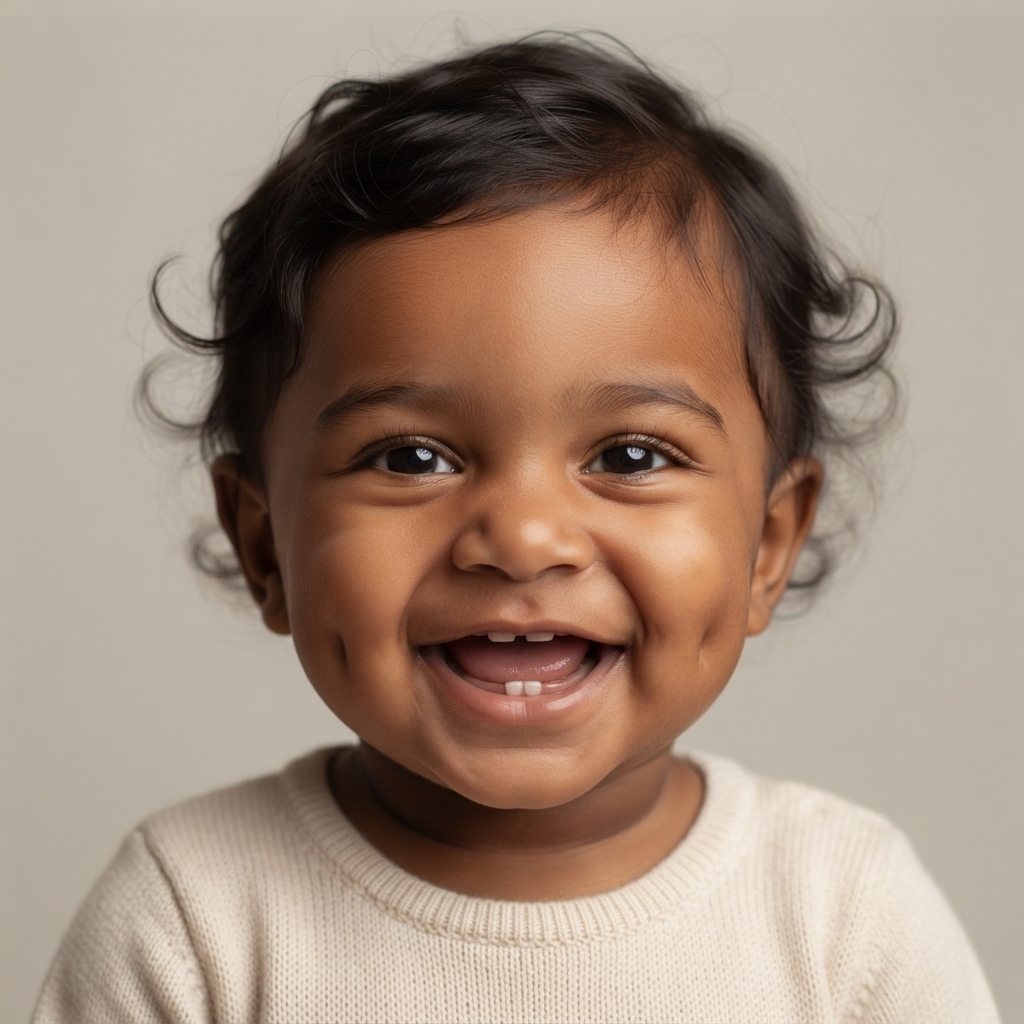 1 year
 Dad
Dad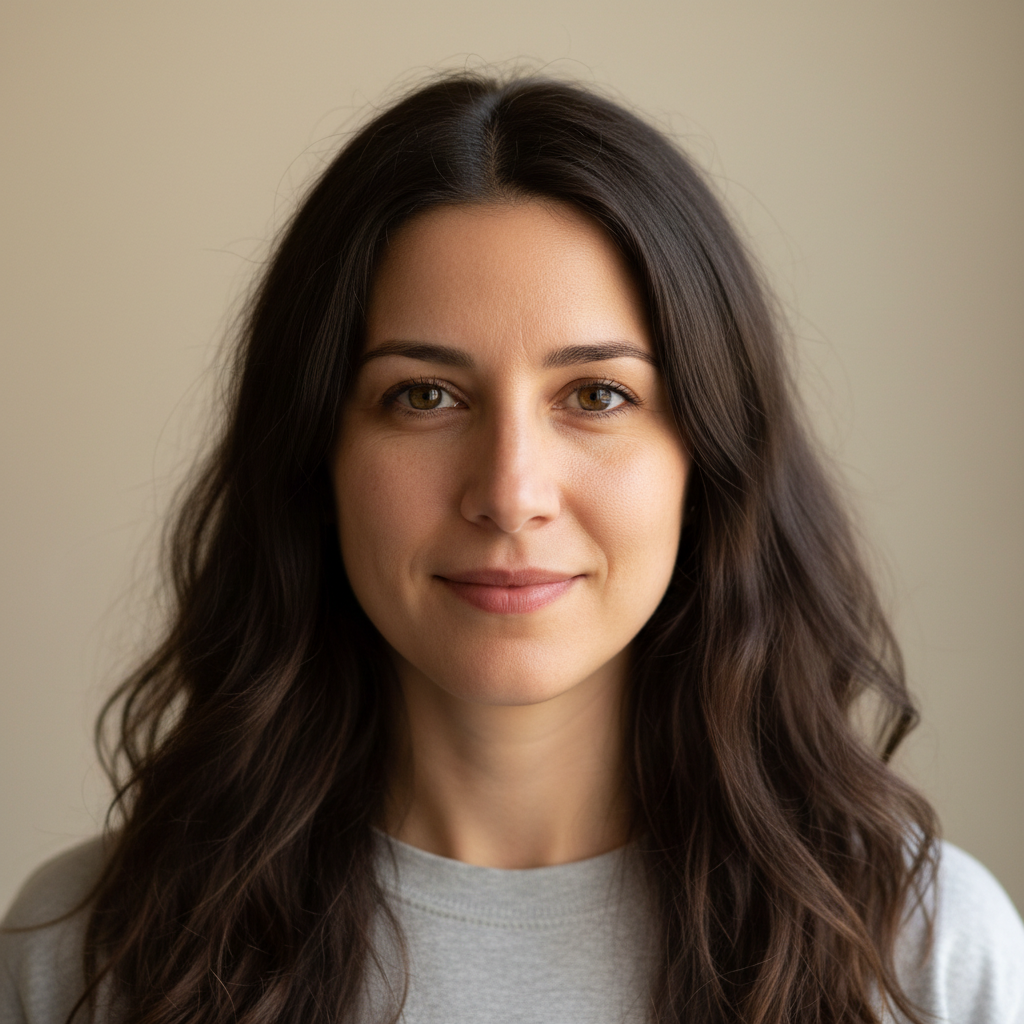 Mom
Mom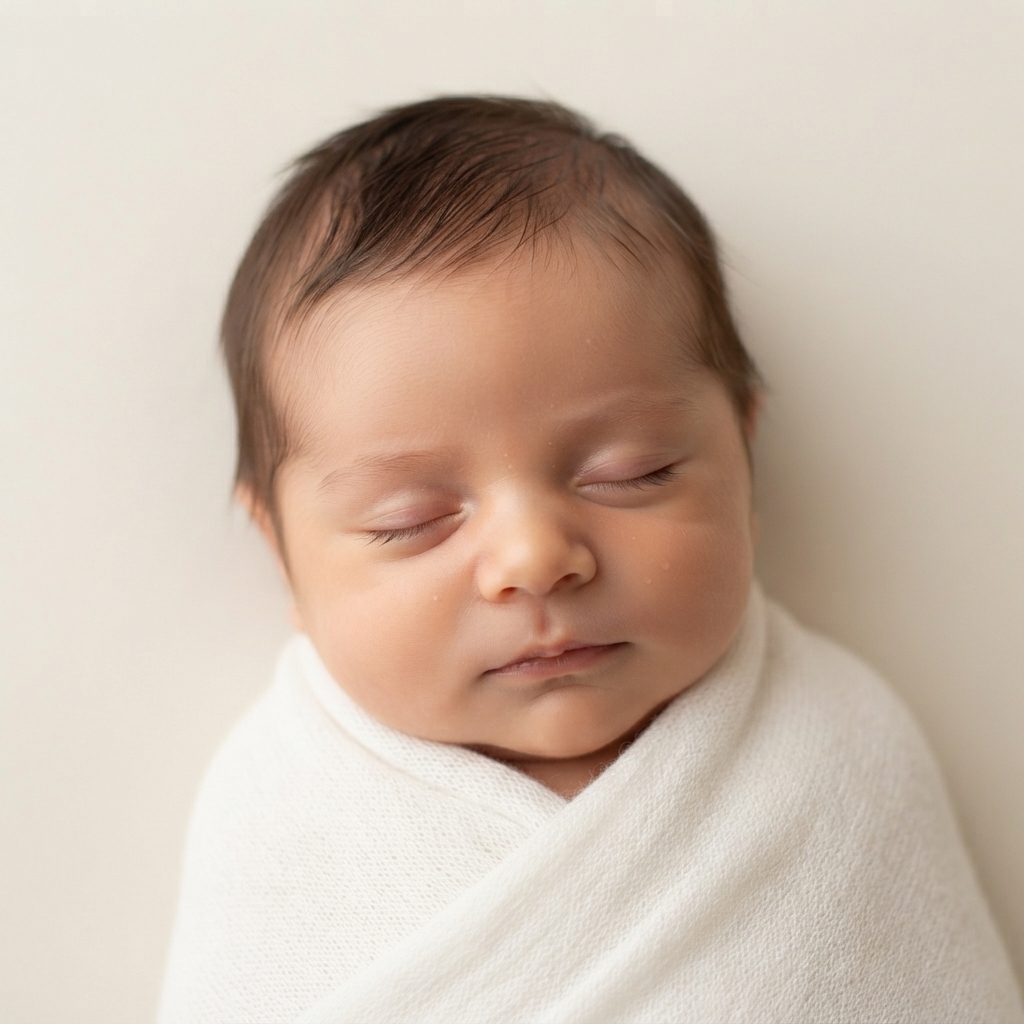 Newborn
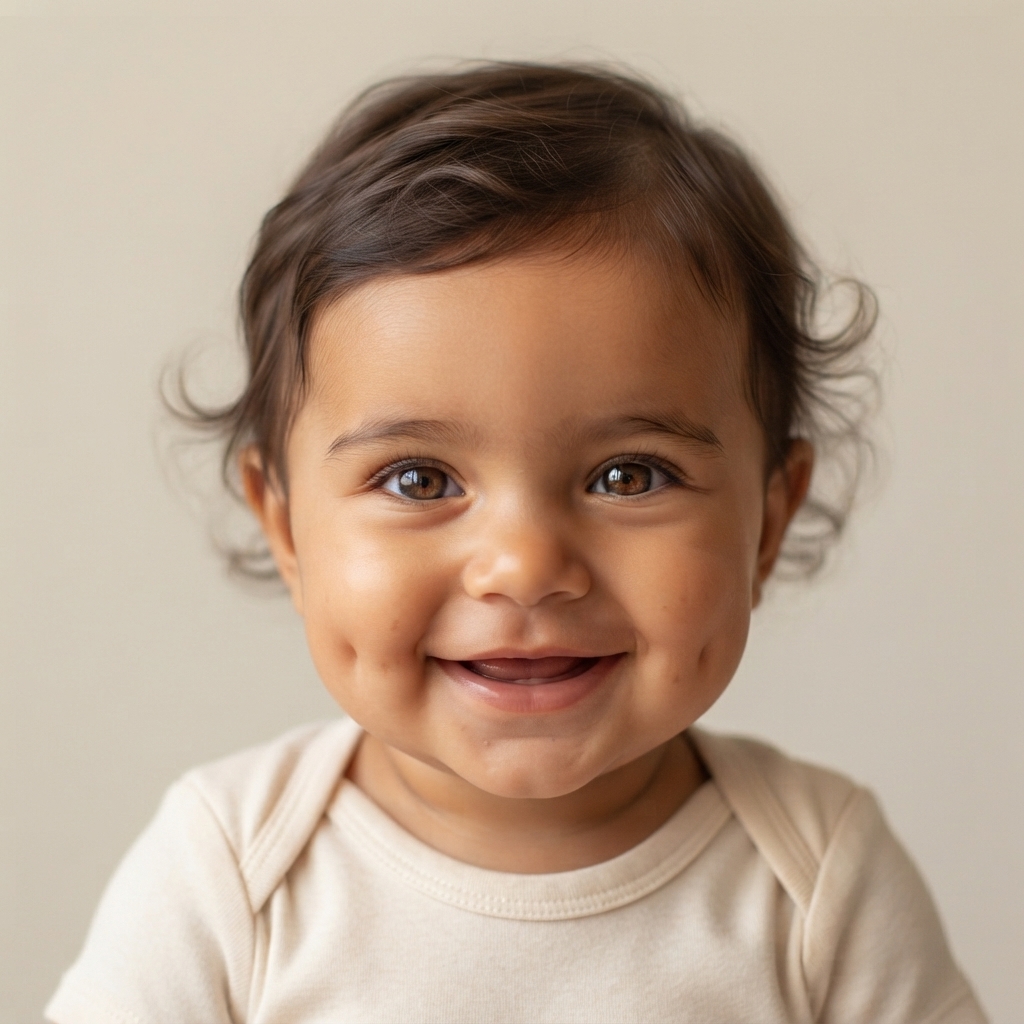 6 months
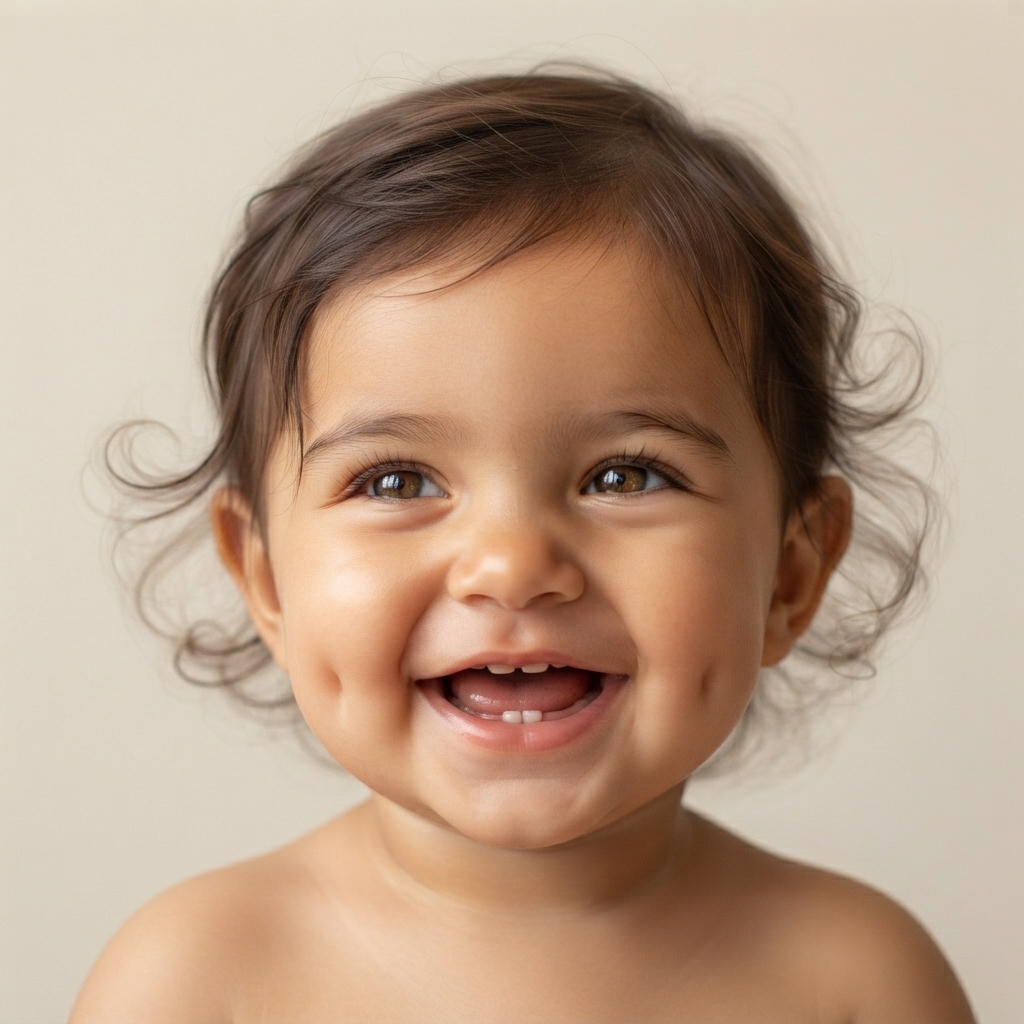 1 year
What Makes a Good Input Photo
One front-facing photo each
Phone photos are fine — the face should fill at least a third of the frame.
Indoor or daylight, no hard shadows
Backlight and half-shadow faces lower the likeness.
No filters, no beauty mode
Filters change facial proportions — the AI would read a face that isn't yours.
No sunglasses, hats, or masks
Whatever is covered, the model has to guess.
Don't crop the chin or forehead
Lose the face outline and results drift toward a generic baby face.
How to Read These Results
The AI reads inheritable features from both faces — eye shape, nose, jawline, skin tone, face structure — and combines them into one face. It shows you a likeness, not a genetic prediction: real children can end up looking like either parent, a grandparent, or neither of you.
Common Questions
Why are there three results instead of one?
Because there isn't one answer. Packs include 3 to 30 generations — these examples ran three of them at different ages so you can see the range of how features might combine.
Do the results look like the parents?
Features from both are blended in. How strongly each parent shows up varies by run — that's the nature of the model, not a bug.
Can I use these photos?
For personal use — share, print, keep.
How long does a run take?
About 5 minutes.